Hail, hail, the First of May! Celebrating May Day at The Golden Hinde
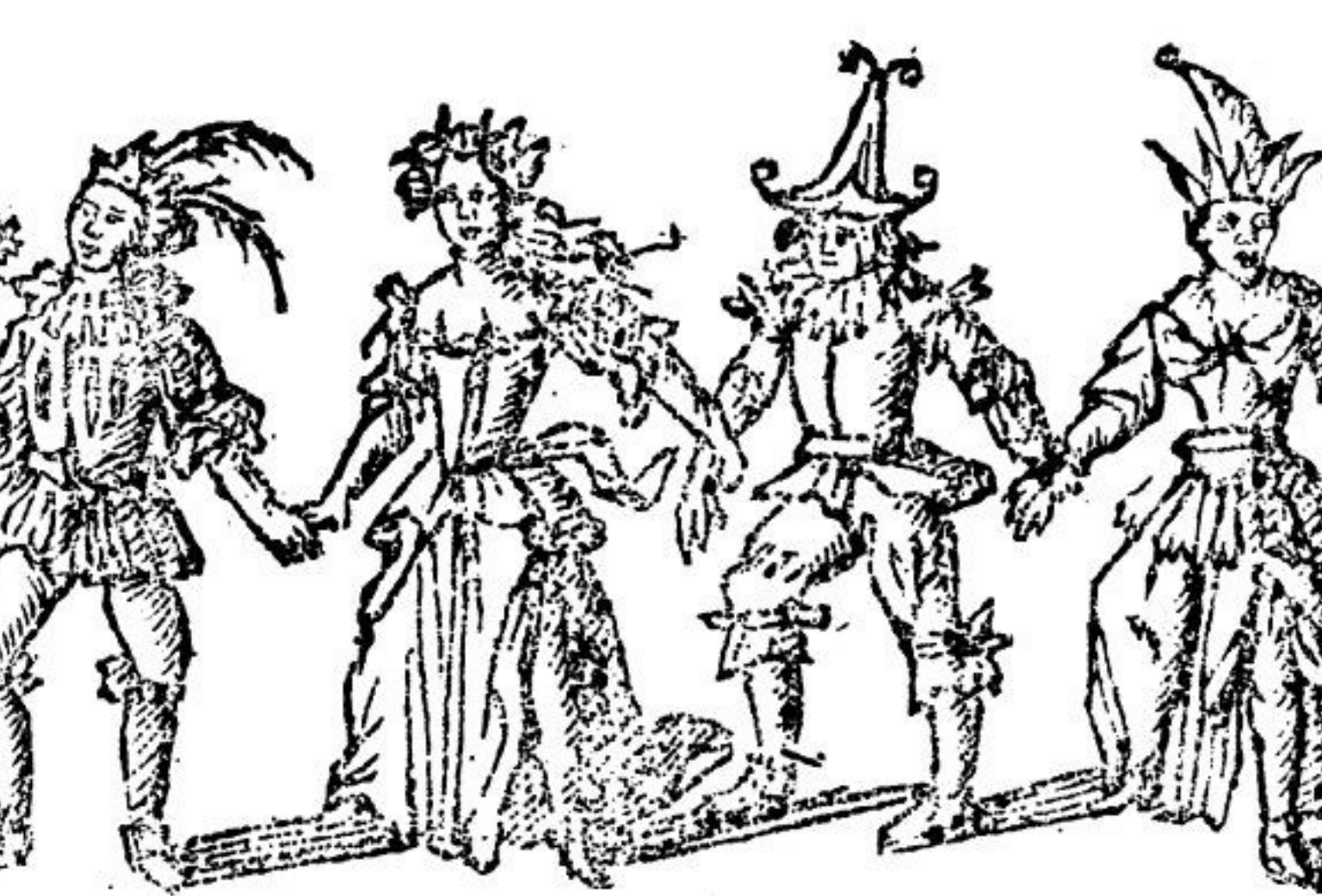
May Day was one of the highlights of the Tudor calendar as it marked the beginning of summer. It’s the reason why we have our early May Bank Holiday today.
People would celebrate by gathering wildflowers and hawthorn blossom (also known as “may tree” blossom) to decorate garlands, crowns, and maypoles which they would dance around. The holiday is said to have ancient origins, with links to the Gaelic festival of Beltane and the Ancient Roman festival of the Floralia.
Honouring Flora, the goddess of flowers, greenery, and fertility, the Floralia was a licentious affair celebrated by the ordinary working people, or “plebians” rather than the ruling class, or “patricians”. The Romans celebrated with games, theatrical performances and the release of wild animals such as hares, deer, and goats into the crowds as symbols of fecundity.
Beltane is also a festival rooted in the customs of ordinary working people. Observed historically across Scotland, Ireland and the Isle of Man, with written records dating back to the early medieval period, Beltane celebrated the turn of the season and the return of cattle to summer pastures. While its observance seemed to fade almost completely by the mid-20th century, Beltane has since been revived and gained popularity with neo-pagans interested in its potential pre-Christian origins. The Beltane custom of lighting bonfires to protect livestock from both natural and supernatural harm is still practised in some celebrations today. The Welsh festival of Calan Mai or Calan Haf, and the Northern and Central European festival of Walpurgis Night, share cultural foundations and overlapping customs with Beltane.
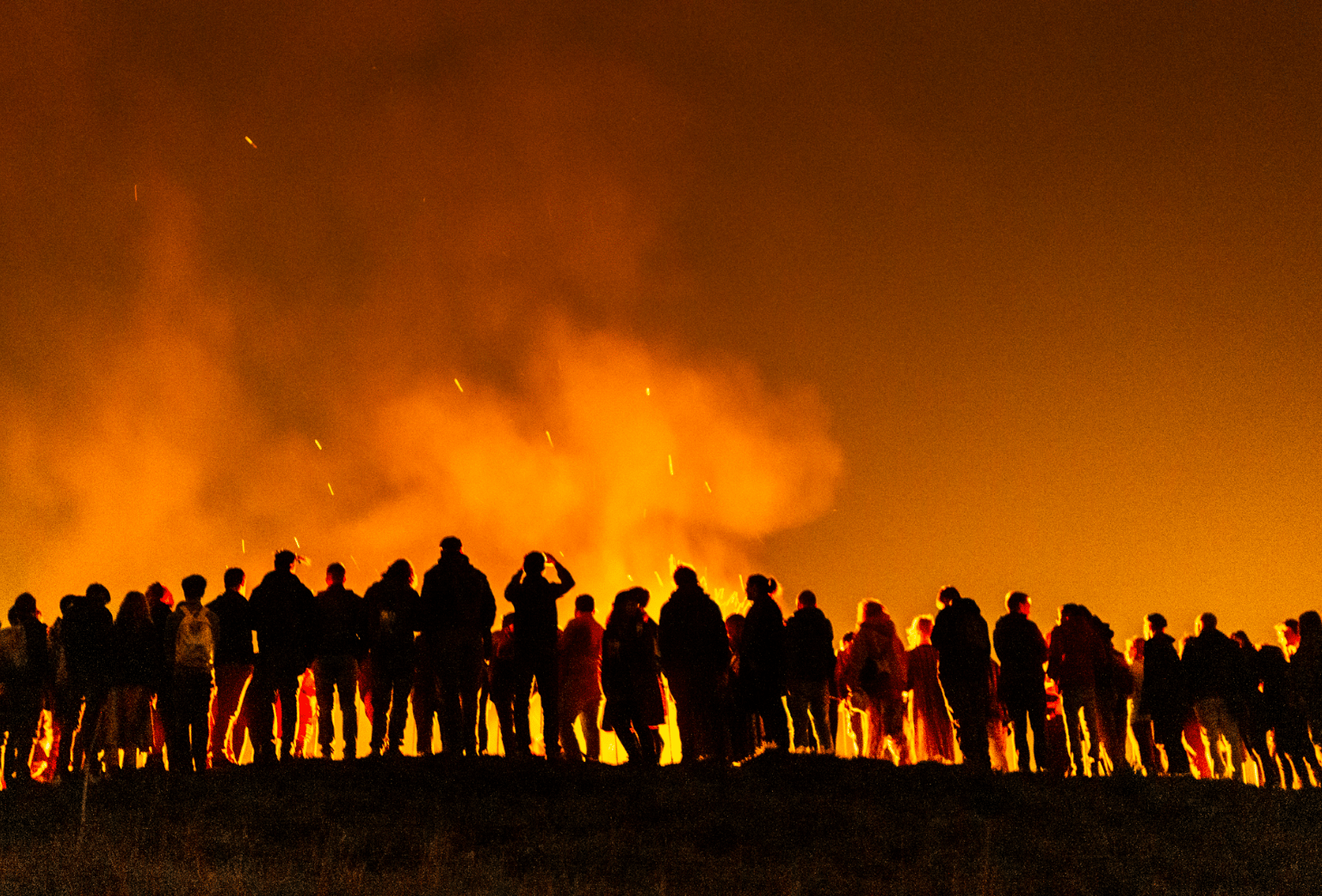
Beltane Fire Festival, Edinburgh, 2019 ending ceremony, people surrounding the Bonfire. Source: Wikimedia Commons
During the Tudor period in England, communities would crown a May King and Queen, or Lord and Lady. In 1557, the London clothier and diarist Henry Machyn wrote:
"The xxx day of May was a goly May-gam in Fanch-chyrchestrett with drumes and gunes and pykes, and ix wordes dyd ryd; and thay had speches evere man, and the morris dansse and the sauden, and an elevant with the castyll, and the sauden and yonge morens with targattes and darttes, and the lord and the lade of the Maye".
In Modern English this reads: “On the 30 May was a jolly May-game in Fenchurch Street with drums and guns and pikes, The Nine Worthies did ride; and they all had speeches, and the morris dance and sultan and an elephant with a castle and the sultan and young moors with shields and arrows, and the lord and lady of the May".
Source: https://www.british-history.ac.uk/camden-record-soc/vol42/pp123-141
This custom allowed ordinary people to “rule” for a day, turning societal hierarchies on their head for a short time. This echoes a similar tradition carried out between Christmas and Twelfth Night.
Several centuries later, there was a revived interest in the image of “Merrie England” as conjured by Tudor May Day and the everyday histories of ordinary working people. This was harnessed by left-wing political movements advocating for workers’ rights, and so 1st May became adopted as International Worker’s Day around 1890. The early May Bank Holiday was introduced in the UK in 1978 by the Employment Minister Michael Foot, and met with some controversy surrounding its socialist roots. Today, many people around the world enjoy this day as a change of season and a chance to relax and spend time with family and friends.
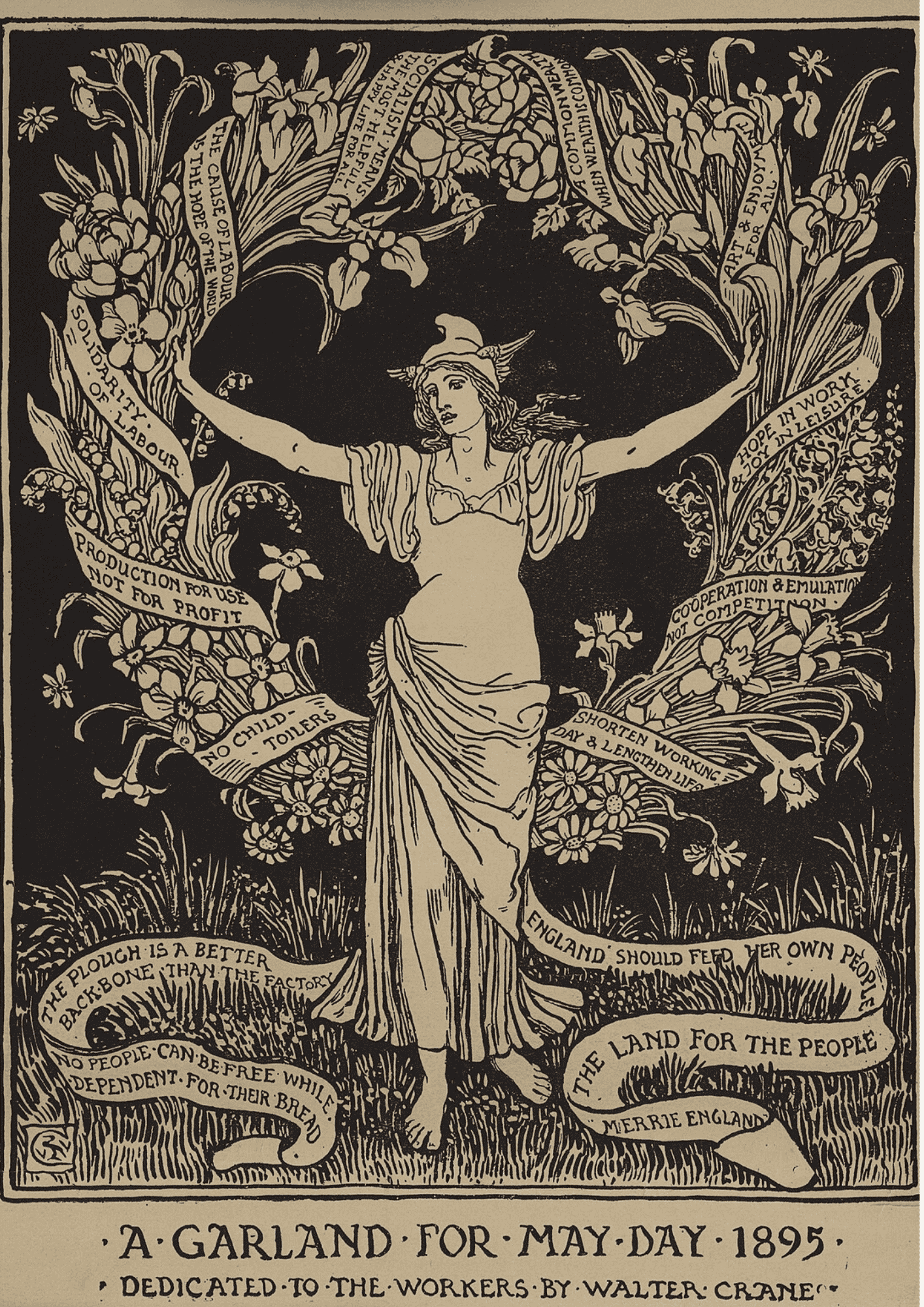
‘A Garland for May Day’, Walter Crane, 1895. Source: Wikimedia Commons.
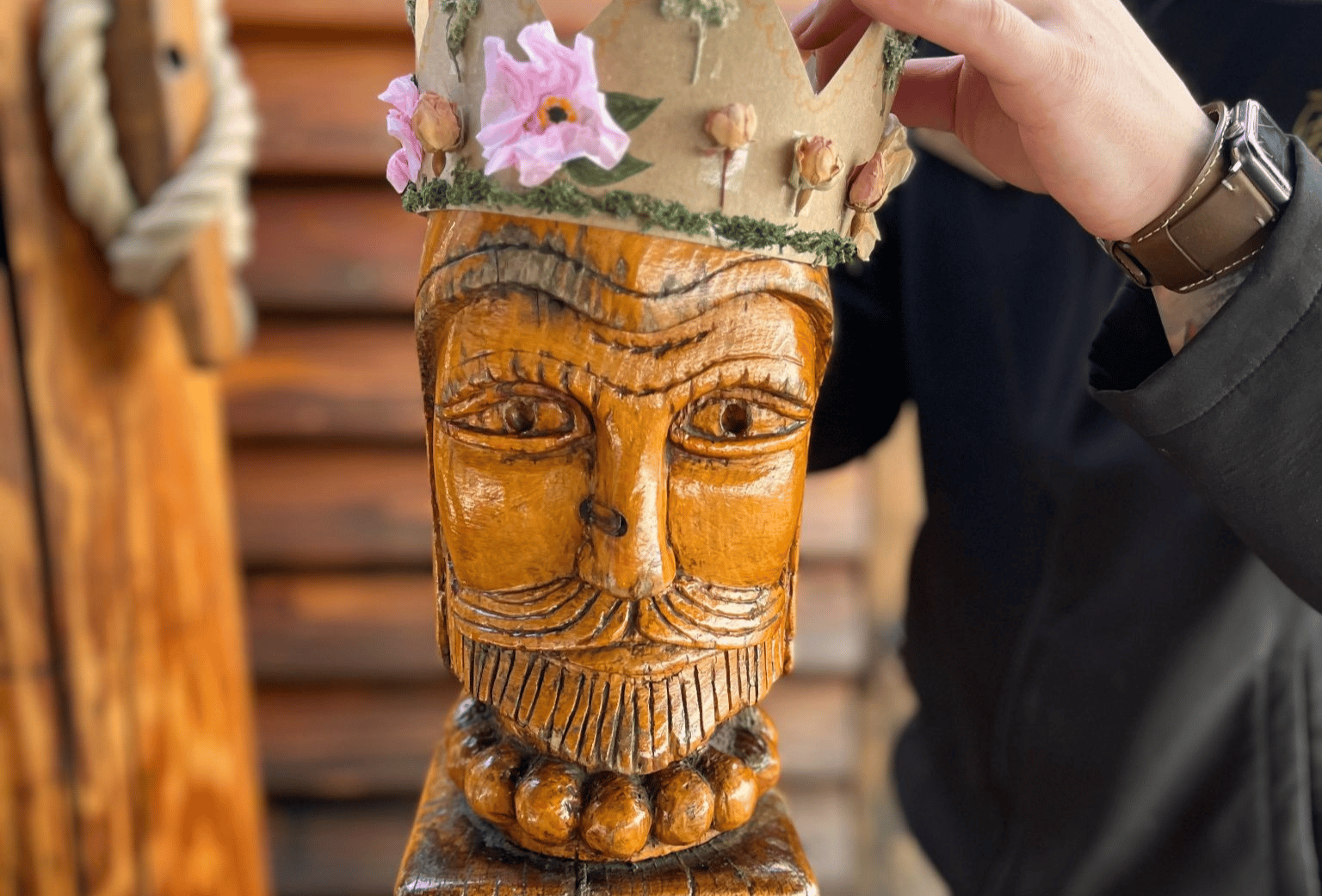
To celebrate this ancient festival and the beginning of summer on The Golden Hinde, join us on board to create a crown fit for a May monarch. Combine natural materials such as moss, leaves and dried petals with your own easy paper flower creations to decorate your nature crown.
Suitable for families of all ages with supervised children.